


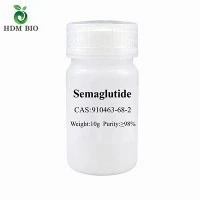

As GLP-1 therapies continue transforming the pharmaceutical industry, two names dominate nearly every conversation: semaglutide and tirzepatide.Both compounds have attracted enormous attention from pharmaceutical developers, researchers, manufacturers, and healthcare professionals. Both are associated with growing demand across metabolic health, obesity-related research, and peptide therapeutics.Yet one question continues to appear throughout the industry:
What is the actual difference between semaglutide and tirzepatide?
While these peptides are often discussed together, they are not the same compound, they do not work in exactly the same way, and they offer different advantages depending on the application.This guide explains the key differences between semaglutide and tirzepatide, why pharmaceutical companies are paying close attention to both, and what buyers, researchers, and manufacturers should consider moving forward.
Quick Answer: What Is the Main Difference Between Semaglutide and Tirzepatide?

The biggest difference is their mechanism of action. Semaglutide Powder acts primarily as a GLP-1 receptor agonist.
Tirzepatide Peptide Raw Powder acts as a dual GLP-1 and GIP receptor agonist.
Because tirzepatide activates two metabolic pathways instead of one, it has attracted significant interest as a next-generation peptide therapy.However, semaglutide continues to maintain important advantages in manufacturing maturity, supply stability, and industry adoption.
Why Are People Comparing Semaglutide and Tirzepatide?
The comparison has become increasingly common because both compounds are associated with similar development areas.These include:Metabolic health researchObesity-related studiesPeptide therapeuticsPharmaceutical development programsGLP-1 market expansion
As tirzepatide gains visibility, many organizations want to understand whether it is replacing semaglutide or simply expanding the market.
How Do Semaglutide and Tirzepatide Work Differently?
Although both compounds are connected to GLP-1 pathways, their biological mechanisms differ.
Semaglutide
Semaglutide primarily activates GLP-1 receptors.This mechanism is associated with:
◆ Appetite regulation
◆ Glucose-dependent insulin secretion
◆ Delayed gastric emptying
◆ Satiety signalingBecause of its focused mechanism, semaglutide has become one of the most extensively studied GLP-1 related peptides.
Tirzepatide
Tirzepatide activates both:
◆ GLP-1 receptors
◆ GIP receptors
This dual-action approach has generated significant interest because it expands metabolic pathway engagement beyond traditional GLP-1 activity.As a result, tirzepatide is often described as a next-generation incretin-based therapy.
Is Tirzepatide Replacing Semaglutide?
This is perhaps the most common question in today's GLP-1 market.The short answer is:No.Tirzepatide is expanding the market rather than replacing semaglutide.Semaglutide still maintains several important advantages:More established manufacturing infrastructureBroader supplier availabilityGreater production capacityExtensive industry familiarityStrong global supply networksFor many pharmaceutical and research organizations, these factors remain highly valuable.
Which Peptide Has a More Mature Supply Chain?

One of the biggest differences between these compounds involves manufacturing maturity.
| Factor | Semaglutide | Tirzepatide |
| Manufacturing Maturity | High | Developing |
| Supplier Availability | Broad | More Limited |
| Production Capacity | Established | Expanding |
| Industry Familiarity | Extensive | Growing |
| Supply Stability | Strong | Moderate |
For organizations focused on long-term procurement strategies, supply stability remains an important consideration.
Why Are Pharmaceutical Companies Interested in Both?
The pharmaceutical industry is not choosing one peptide and abandoning the other.Instead, many organizations are actively evaluating both compounds.Reasons include:
Expanding Research Programs
Interest in peptide therapeutics continues growing globally.
Diversified Development Pipelines
Companies increasingly pursue multiple peptide development strategies simultaneously.
Future Market Opportunities
Both semaglutide and tirzepatide are expected to remain influential within the broader GLP-1 ecosystem.
What Are Buyers Paying Attention to in 2026?
Today's buyers evaluate far more than price alone.Key purchasing considerations include:
Consistency
Reliable batch-to-batch quality remains essential.
Documentation
Buyers frequently request:COA DocumentationHPLC ReportsLC-MS VerificationStability Data
Manufacturing Standards
Quality systems remain a critical evaluation factor.
Supply Reliability
Long-term supply security often outweighs short-term pricing advantages.
Semaglutide vs Tirzepatide: Buyer Evaluation Checklist

Before selecting a peptide supplier, organizations commonly evaluate:
✅ Purity Verification
✅ Analytical Testing Reports
✅ Manufacturing Standards
✅ Batch Consistency
✅ Stability Documentation
✅ Technical Support
✅ Production Capacity
✅ Global Logistics Capability
✅ Long-Term Supply Reliability
Which Compound Is Likely to Lead the Future of GLP-1 Therapy?
The future is unlikely to belong exclusively to one peptide.Instead, industry trends suggest both compounds will continue playing important roles.Semaglutide benefits from:
◆ Established manufacturing ecosystems
◆ Broad market adoption
◆ Strong supply networks
Tirzepatide benefits from:
◆ Dual-receptor activity
◆ Growing research interest
◆ Expanding pharmaceutical investment
Rather than competing for a single position, both peptides are contributing to the continued expansion of the GLP-1 market.
Frequently Asked Questions
What is the main difference between semaglutide and tirzepatide?
Semaglutide primarily targets GLP-1 receptors, while tirzepatide targets both GLP-1 and GIP receptors.
Is tirzepatide replacing semaglutide?
No. Tirzepatide is expanding the market rather than replacing semaglutide.
Why is tirzepatide attracting so much attention?
Its dual-receptor mechanism has generated significant interest within pharmaceutical development.
Which peptide has a more established manufacturing ecosystem?
Semaglutide currently has a more mature production and supply infrastructure.
Why are pharmaceutical companies investing in both?
Both compounds offer unique opportunities within peptide therapeutics and metabolic research.
Which peptide has stronger supply stability?
Semaglutide currently benefits from broader supplier availability and more established production capacity.
What should buyers evaluate when sourcing peptide APIs?
Purity, analytical verification, documentation, manufacturing standards, and supply reliability.
Will demand for both peptides continue growing?
Current industry trends suggest continued growth across both semaglutide and tirzepatide-related development programs.
What technologies are used to manufacture these peptides?
Modern production typically involves SPPS synthesis, purification systems, and lyophilization technologies.
Which peptide is more widely adopted today?
Semaglutide currently maintains broader market adoption and manufacturing familiarity.
Key Takeaways
Semaglutide and tirzepatide are related but distinct peptide compounds.The primary difference is GLP-1 versus GLP-1/GIP receptor activity.Tirzepatide is expanding the market rather than replacing semaglutide.Semaglutide continues to benefit from manufacturing maturity and supply stability.Pharmaceutical companies are increasingly interested in both compounds.Long-term success depends on quality, consistency, and reliable supply networks.
Final Thoughts
The discussion surrounding semaglutide and tirzepatide is not about choosing a single winner.Instead, it reflects the continued evolution of peptide therapeutics and the growing importance of GLP-1 related development programs worldwide.While tirzepatide represents an exciting advancement in peptide science, semaglutide continues to maintain significant advantages in manufacturing maturity, market familiarity, and supply chain reliability.As the industry moves forward, both compounds are expected to remain central to the future of metabolic and peptide-related pharmaceutical innovation.
About the Author
This article was reviewed by professionals involved in peptide manufacturing, pharmaceutical raw material sourcing, and GLP-1 market analysis. The content is intended for educational and industry information purposes.
Need High-Purity Semaglutide API?
✓ COA Available
✓ HPLC Tested
✓ Global Shipping
✓ Bulk Supply Support
Whatsapp & Mobile: +8619991242181
Email: sales@hdmbio.com