






For decades, consumers who wanted to cover gray hair had essentially one option: hair dye. In 2026, that is changing. More people are asking not just how to hide gray hair, but why it appears and whether the follicle's natural pigmentation process can be supported. This has pushed hair care beyond color coverage toward scalp health, follicular biology and pigmentation mechanisms. One ingredient attracting attention in this space is a biomimetic peptide called Palmitoyl Tetrapeptide-20 (PTP20). This article explains what PTP20 is, why it is linked to hair pigmentation, how formulators use it in 2026, and what B2B buyers should verify before sourcing it. To be clear: PTP20 is a cosmetic ingredient, not a drug and not a hair dye.
Anti-Gray Hair Care Is Moving Beyond Conventional Hair Dyes
Conventional hair dyes change the visible color of the hair shaft. They are effective, but they do not address what happens at the scalp or inside the hair follicle. A growing segment of the market now focuses on leave-on scalp care designed to support natural pigment processes and manage oxidative stress around the hair follicle.
This shift matters for formulators. Leave-on scalp serums and hair essences are particularly relevant formats for peptide-based hair care because they provide extended contact with the scalp compared with rinse-off products. Shampoo applications are also possible, but formulation strategy, active concentration, contact time and cost should be evaluated for the intended product.
What Is Palmitoyl Tetrapeptide-20?
Three core trends are shaping how this ingredient is formulated and sourced in 2026:
Multi-active eye-care systems: Brands are increasingly combining peptides with complementary moisturizing and skin-conditioning actives, rather than relying on single-ingredient formulations.
Greater raw-material transparency: B2B buyers are increasingly distinguishing between high-purity peptide powder and diluted commercial solutions, prioritizing clear active concentration data.
Evidence-conscious cosmetic claims: Brands are moving toward appearance-focused product positioning, with clearer distinction between cosmetic benefits and medical-style efficacy claims.
Eye-Care Peptides in Modern Formulation
Palmitoyl Tetrapeptide-20 is a synthetic palmitoylated short peptide. Chemically, it is the product obtained by the reaction of palmitic acid with tetrapeptide-20. The palmitoyl (fatty acid) portion improves the molecule's affinity for lipid-rich environments such as the skin and hair follicle, while the tetrapeptide portion carries the biological signal.
|
Item |
Information |
|
Ingredient |
Palmitoyl Tetrapeptide-20 |
|
Ingredient Type |
Palmitoylated cosmetic peptide |
|
Application |
Hair & scalp care |
|
Research Focus |
Hair pigmentation-related pathways |
|
Commercial Forms |
Powder / formulated solution, depending on supplier |
|
Buyer Check |
Sequence, terminal form, peptide content and supplied form |
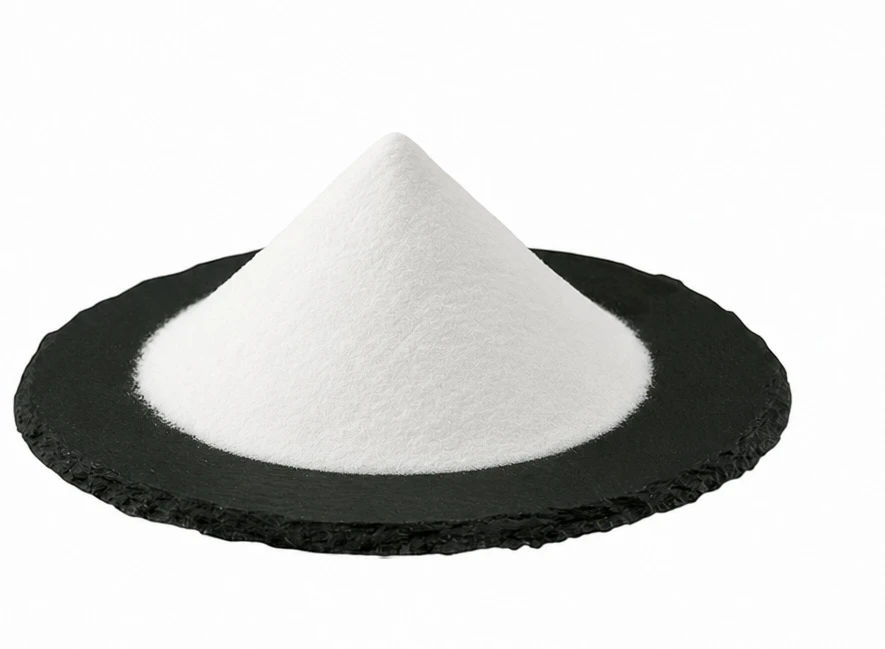
In the finished-goods supply chain, PTP20 is not one single commercial specification. Raw powder, concentrated solutions and brand pre-diluted formulas differ in concentration and carrier systems. Commercial identity also matters. Greyverse™ is a branded α-MSH biomimetic peptide system whose current INCI is listed as Glycerin (and) Water (and) Palmitoyl Tetrapeptide-20 Amide. Buyers should therefore not automatically treat a generic Palmitoyl Tetrapeptide-20 powder, Palmitoyl Tetrapeptide-20 Amide powder and a branded Greyverse™ solution as interchangeable materials. The exact peptide sequence, terminal form, active concentration and analytical specification should be confirmed before supplier comparison.
Why Is PTP20 Associated With Hair Pigmentation?
The interest in PTP20 comes from its design as an agonist of α-melanocyte-stimulating hormone (α-MSH), a peptide involved in pigmentation regulation. In hair biology, α-MSH signaling connects to the melanocortin-1 receptor (MC1-R), which sits upstream of melanin synthesis and its transfer to the growing hair. PTP20 was designed to mimic part of this pathway.
Published research on PTP20 includes in vitro, ex vivo and human testing. A 2018 study in the International Journal of Cosmetic Science evaluated the peptide in human follicle dermal papilla cells and ex vivo human micro-dissected hairs, and completed a clinical study in 15 male volunteers with premature graying. The authors reported that PTP20 increased catalase expression and reduced intracellular hydrogen peroxide by about 30%, while melanogenesis-related markers such as MC1-R, TRP-1 and Melan-A increased and ASIP expression decreased. These findings point to activity in oxidative-stress and melanogenesis-related pathways.
The scale of this evidence is still limited. It is a single peer-reviewed data set in a small cohort, suggesting a mechanism of action rather than a guarantee. Responsible suppliers therefore describe PTP20 as "studied for" or "designed to support" pigmentation-related pathways, not as a proven treatment that reverses gray hair.

Key 2026 Formulation Trends
Several formulation directions are visible in 2026:
- Leave-on scalp serums: an increasingly relevant format for peptide-based scalp care, offering extended contact time.
- Water-based hair essences: lightweight, non-greasy vehicles suited to low-dose actives and daily use.
- Post-coloration maintenance products: formulas that support pigment and scalp condition after dyeing.
- Peptide and antioxidant combinations: pairing PTP20 with catalase-supporting or antioxidant ingredients to address oxidative stress.
- Early-gray appearance care: positioning aimed at consumers who are just starting to see gray and want a non-dye option.
Any published market-size figures for this niche should be verified against the original source.
Powder or Pre-Diluted Solution?
For B2B formulators, the choice between raw powder and pre-diluted solution affects cost, handling and dosing:
- Powder: suitable for manufacturers with formulation and precision-weighing capabilities. It offers greater flexibility in active concentration and formulation design, but requires accurate control of peptide content and dosing.
- Pre-diluted solution: easier to dose into a formulation, but the buyer must calculate the actual active peptide concentration, not just the weight of the solution.
- Brand pre-diluted formulas: may contain water, glycerin and other carriers; their PTP20 concentration can differ from a raw powder.
Because concentrations and carrier systems differ, these forms cannot be substituted by weight.
What Should B2B Buyers Verify?
For a peptide as specification-sensitive as PTP20, buyers should request and verify:
- Full peptide sequence and terminal form (free peptide, amide or salt)
- HPLC purity
- Peptide content
- Molecular weight confirmation
- MS data
- Moisture, residual solvents and microbial testing
- COA, TDS and MSDS
- Storage and shipping conditions
- Batch-to-batch consistency
These documents determine whether a powder is a defined, reproducible raw material or an uncharacterized sample.
Evidence-Based Claims Are Becoming More Important
Regulators, platforms and consumers are pushing back on overstated claims, so compliant language matters. Recommended phrasing includes:
- "supports hair pigmentation-related formulations"
- "designed for anti-gray hair care development"
- "helps support the appearance of naturally pigmented hair"
- "studied for melanogenesis and oxidative-stress-related pathways"
Wording to avoid includes:
- "permanently reverses gray hair"
- "cures premature graying"
- "restores all gray hair"
- "clinically proven for everyone"
Outlook for Palmitoyl Tetrapeptide-20 in 2026
PTP20 offers a differentiated, science-driven story that fits premium scalp serums and early-gray positioning better than mass-market dyes. Looking ahead, the focus will be on formulation stability, carrier selection and higher-quality human studies. B2B buyers, in turn, will place more weight on ingredient identity and documentation, making a complete analytical package a competitive advantage for suppliers such as HDM Biotech.
FAQ
Is Palmitoyl Tetrapeptide-20 a hair dye?
No. It is a cosmetic peptide ingredient studied for pigmentation-related pathways; it does not color the hair shaft like a dye.
Is PTP20 the same as Greyverse?
No. Greyverse™ is a branded cosmetic ingredient system whose listed INCI includes Palmitoyl Tetrapeptide-20 Amide, glycerin and water. Buyers should not assume that Greyverse™, generic Palmitoyl Tetrapeptide-20 powder and Palmitoyl Tetrapeptide-20 Amide powder are interchangeable materials.
Can Palmitoyl Tetrapeptide-20 be supplied as a powder?
Yes. It can be supplied as a raw powder for manufacturers with formulation and weighing capabilities.
Is Palmitoyl Tetrapeptide-20 used in shampoo or scalp serum?
Both are possible. Leave-on formats such as scalp serums and hair essences are particularly relevant because they provide extended contact with the scalp, while shampoo applications require consideration of contact time, active concentration and formulation design.
What documents should buyers request?
COA, TDS, MSDS, HPLC purity, peptide content, MS data, molecular weight confirmation, and moisture, residual solvent and microbial testing data.
References
Almeida Scalvino S, et al. Efficacy of an agonist of α-MSH, the palmitoyl tetrapeptide-20, in hair pigmentation. International Journal of Cosmetic Science. 2018;40(5):516–524.
PubMed – Palmitoyl Tetrapeptide-20 hair pigmentation study, PMID 30222197.
COSMILE Europe – Palmitoyl Tetrapeptide-20 cosmetic ingredient information.
Clariant / Lucas Meyer Cosmetics – Greyverse™ product information.
Contact HDM Biotech
Looking for Palmitoyl Tetrapeptide-20 powder for cosmetic formulation research? HDM Biotech provides batch-specific COA, analytical documentation, sample support and bulk supply options according to the confirmed product specification.
WhatsApp: +8619991242181
Email:sales@hdmbio.com